
Every month, hundreds of people in Singapore type one word into Google: hijama. Some are reviving a Sunnah they grew up hearing about. Some have a stiff back that years of massage never fixed. Others saw a friend’s cupping marks at the gym and wanted to know what it was all about.
They usually end up with the same three questions. What actually happens? How much does it cost? And who can I trust to do it properly?
We have been answering those questions since 2013. This guide puts everything in one place, in plain language, so you can decide whether hijama is right for you and book with confidence.
What is hijama therapy?
Hijama is a traditional form of cupping. The word comes from the Arabic hajm, meaning to draw out or suck.
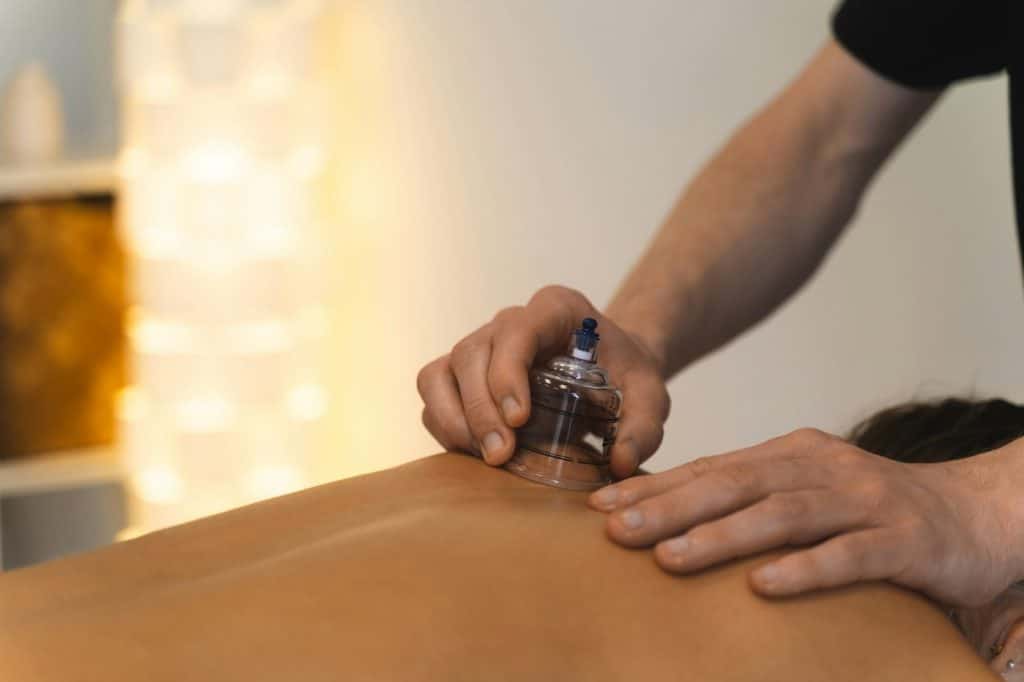
A practitioner places cups on specific points of the body to create suction. In the form most people mean when they say “hijama”, the practitioner also makes a few very shallow scratches on the skin and places the cups back on, so a small amount of blood is drawn into each cup. That version is also called wet cupping.
Cupping exists in many traditions, from Chinese medicine to old European remedies. Hijama holds a special place for Muslims because the Prophet Muhammad (peace be upon him) received it and spoke well of it. A narration in Sahih al-Bukhari lists cupping among the things in which there is healing. For many clients in Singapore, booking hijama is as much about following the Sunnah as about how their body feels.
Hijama is a complementary therapy. It can sit alongside your regular medical care, but it does not replace your doctor, and a good practitioner will never promise to cure a disease.
Hijama vs cupping vs bekam: are they the same?
In Singapore you will see several words used for related treatments, and it helps to know the difference before you book:
- Hijama: the Arabic and Islamic name. Usually means wet cupping, done in line with the Sunnah.
- Wet cupping: the English name for the same method, with small scratches and blood drawn into the cups.
- Dry cupping: suction only, with no scratches. Common in sports recovery and Chinese medicine clinics.
- Bekam: the Malay word for cupping. Bekam darah or bekam basah means wet cupping, and bekam angin means dry cupping.
So if your parents call it bekam and your colleague calls it cupping, you are probably talking about the same thing. We explain the Malay terms in more detail in our guide to bekam in Singapore.
Why people in Singapore book hijama
The reasons we hear most often:
- Reviving the Sunnah. Many clients book regularly, often timed with the recommended days of the Islamic month.
- Neck, shoulder and back tension. Long hours at a desk, on the MRT, or carrying children leave muscles tight in ways a massage only fixes for a day or two.
- Recovery for active people. Runners, gym-goers and people with physical jobs use cupping as part of their recovery routine.
- Feeling heavy or run-down. Many clients describe feeling lighter and more relaxed after a session.
Everyone’s body responds differently. We will always ask about your health first and tell you honestly if hijama is not a good idea for you right now.
What happens during a hijama session at home
Hijama Singapore does not run a clinic. Every session is a house call or hotel call, so the whole treatment happens in your own space. A typical 60-minute visit looks like this:
- Consultation. We ask about your health, any medication (especially blood thinners), and what you would like help with.
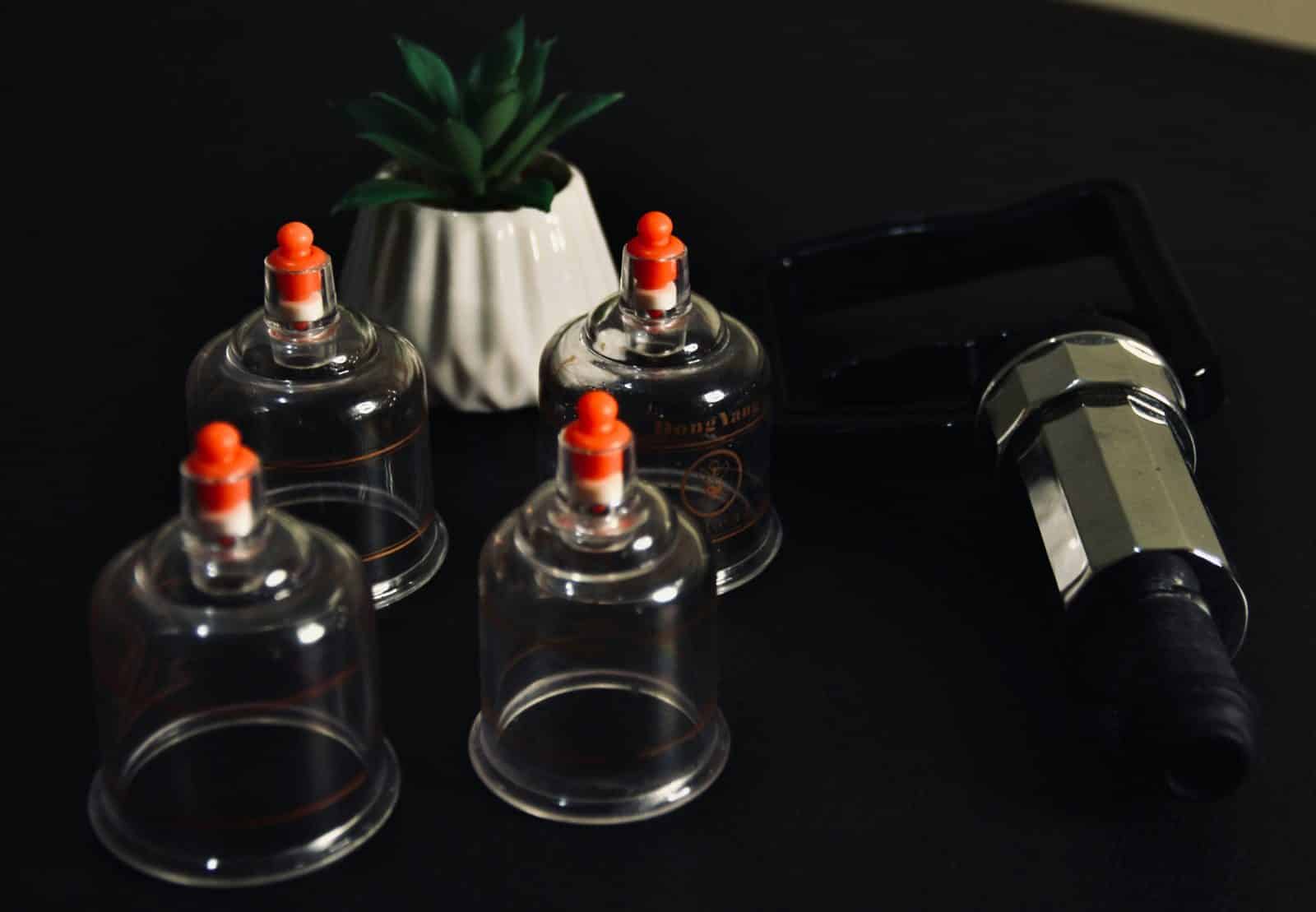
- Setting up. We bring everything: cups, single-use lancets, gloves, disposable covers and absorbent pads. Nothing touches your sheets or sofa.
- Massage. A basic massage relaxes the muscles before the cups go on.
- Cupping. Cups are placed on the chosen points for a few minutes. For wet cupping, very shallow scratches are made and the cups go back on.
- Cleaning up. The skin is cleaned, the area is dressed if needed, and we pack everything away. All used items leave with us.
Most people describe the suction as a firm pull and the scratches as a quick, light graze. The biggest difference about a house call is the end: you do not have to travel home. You can rest straight away.
How much does hijama cost in Singapore?
Prices across Singapore vary depending on the provider, the length of the session and whether a massage is included. Our current rates, from our rates page:
| Treatment | Duration | Price (SGD) |
|---|---|---|
| Basic massage + full body hijama | 60 min | $110 per house visit |
| Follow-up visit (if required) | 60 min | $110 per house visit |
| Additional sickness treatment (add-on) | 15–30 min | $30 |
| Full body massage | 60 min | $120 per house visit |
When you compare prices, look at what is included. A cheaper session that skips the consultation, reuses equipment or leaves waste in your bin is not good value.
How to choose a hijama practitioner you can trust
Because wet cupping breaks the skin, hygiene and training matter more than anything else. Before you book anyone, check these five things:
- Training and experience. Ask where they trained and how long they have practised. A confident practitioner answers happily.
- Disposable equipment. Cups and lancets should be single-use and opened in front of you.
- A health check first. You should be asked about medication, pregnancy and medical conditions before any cup is placed.
- Male and female practitioners. Important for many Muslim families. At Hijama Singapore, sisters are treated by our female practitioner, Monday to Saturday.
- Real reviews. Look for a long history of reviews from real clients, not a handful that all sound the same.
Walk away if someone offers wet cupping with no questions asked, uses equipment from an open tray, or claims hijama will cure a serious illness.
Who should not have hijama (or should check with a doctor first)
Hijama is not for everyone. Please speak to your doctor first if you:
- Are pregnant
- Take blood thinners or have a bleeding disorder
- Have anaemia or very low blood pressure
- Have diabetes with slow wound healing
- Have recently donated blood, had surgery, or are currently unwell
- Have broken skin, eczema or an infection in the area to be treated
We screen for all of this during the consultation and will postpone your session if needed.
Aftercare: getting the most from your session
- Rest for the rest of the day. With a house call, you are already home.
- Drink water and eat light, simple meals.
- Wait before showering, ideally until the next morning, then use lukewarm water.
- Skip the gym, swimming and saunas for 24 to 48 hours.
- Leave the cup marks alone. They usually fade within one to two weeks.
If you notice increasing redness, swelling, warmth or a fever, contact us and see a doctor.
Frequently asked questions
Is hijama painful?
Most clients find it far less uncomfortable than they expected. The suction feels like a firm pull, and the scratches are very shallow.
How often should I do hijama?
Many people do it every one to three months, often timed with the Sunnah dates of the 17th, 19th and 21st of the Islamic month. We will suggest a frequency that suits your health.
Can I get hijama at my hotel?
Yes. We do hotel calls anywhere in Singapore, which is popular with visitors who want a session during their trip.
Do you have a female practitioner?
Yes. Women are treated by our female practitioner, Monday to Saturday, in the privacy of their own home.
What is the difference between hijama and dry cupping?
Dry cupping uses suction only. Hijama (wet cupping) adds small scratches so a little blood is drawn out. Read our cupping therapy guide for a full comparison.
Book hijama in Singapore
Hijama Singapore has offered house-call hijama islandwide since 2013, with certified practitioners, disposable equipment and a consultation before every session. We are open every day from 10am to 10pm.
Book online and choose your date and time, or WhatsApp us on +65 8022 3055.